

We live in an “always-on” culture. Notifications never stop, inboxes pile up, and workloads creep into evenings and weekends. The result? Burnout — the modern plague of the professional world.
Burnout is more than feeling “tired.” It’s a state of mental, emotional, and physical depletion caused by prolonged stress without adequate recovery. Left unchecked, it can derail careers, damage health, and even impact relationships.
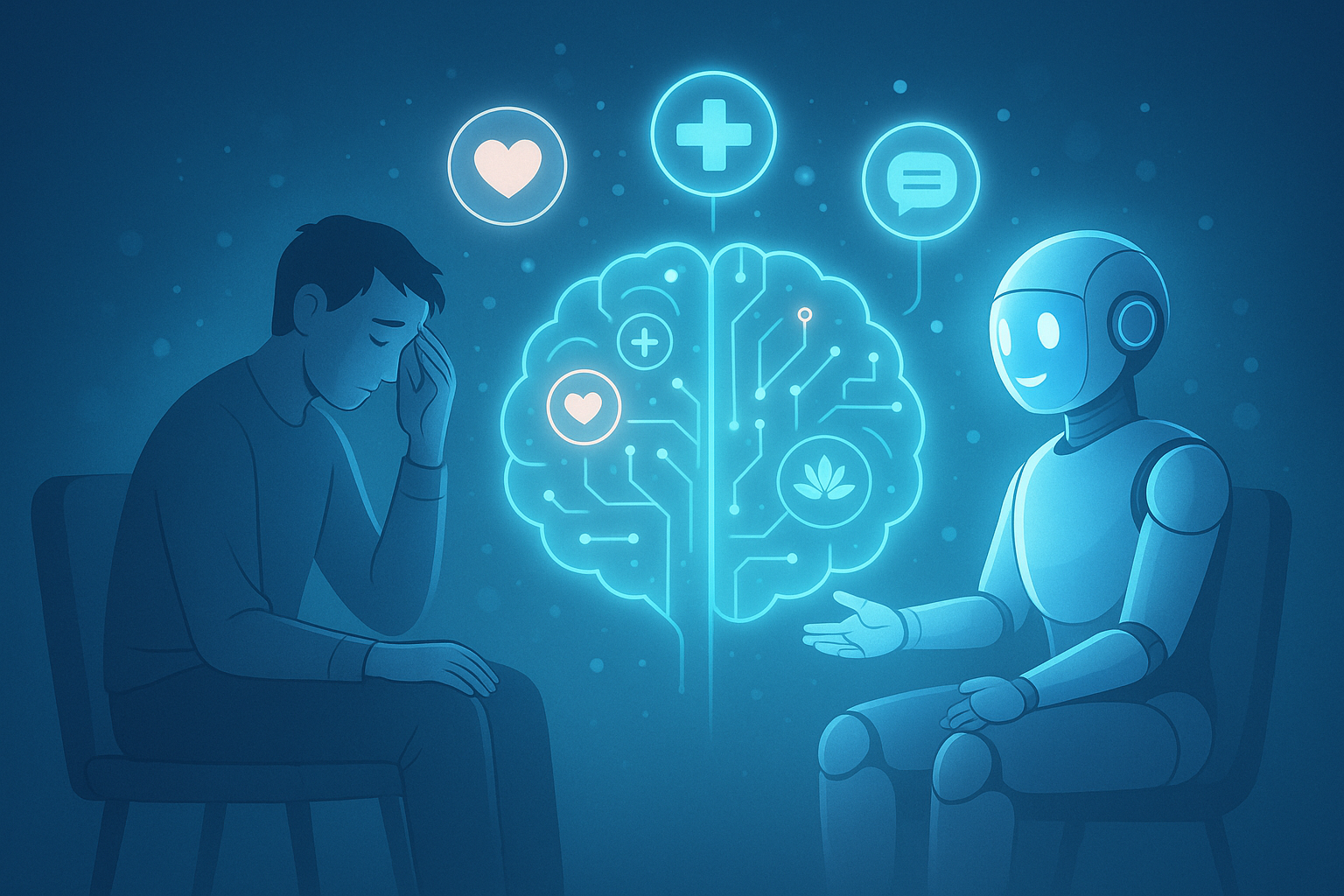
That’s where Artificial Intelligence (AI) steps in. Beyond powering search engines and chatbots, AI is now your mental wellness ally — automating draining tasks, personalizing stress recovery, and even guiding mindfulness practices.
This article explores AI-powered tools designed to fight burnout. From journaling companions to biometric wearables, here’s how tech is reshaping mental health care and offering practical solutions for you.
🔍 What Is Burnout and Why Is AI Relevant?
Burnout isn’t just “being stressed.” Stress is often temporary — a deadline, a presentation, or a tough conversation. Burnout, on the other hand, is the chronic imbalance of effort and recovery. It’s what happens when your body and mind never get a true reset. Over time, this imbalance compounds until your motivation, energy, and focus collapse.
Common symptoms include:
Persistent fatigue despite sleep — you wake up tired, no matter how much you rest.
Cognitive fog that makes even small tasks overwhelming or impossible to prioritize.
Lack of motivation or detachment from work, where once-loved projects feel meaningless.
Irritability and strained relationships, as exhaustion spills over into your personal life.
Physical stress signals like headaches, digestive issues, or elevated heart rate.
In short: burnout shrinks your mental bandwidth until even simple decisions feel monumental. It’s not just a productivity killer; it’s a health risk linked to anxiety, depression, and cardiovascular disease.
Why AI Matters for Burnout Prevention
This is where artificial intelligence can play a surprisingly powerful role. Unlike traditional wellness strategies that rely on willpower alone, AI can anticipate, automate, and personalize your approach to stress management.
Automation reduces overload: AI-powered scheduling, email drafting, and task management tools clear repetitive chores so you can focus on meaningful work rather than drowning in busywork.
Real-time insights: Wearables and apps track indicators like heart rate variability, sleep quality, and stress responses — often detecting strain before you consciously feel it. This gives you a chance to intervene early with recovery strategies.
Personalization at scale: Instead of one-size-fits-all advice, AI tools adapt mindfulness reminders, breathing exercises, or break suggestions to match your unique stress triggers and daily patterns.
24/7 availability: Unlike therapy sessions that happen once a week, AI companions or wellness apps are there at 2 a.m. when your thoughts won’t shut off, offering grounding exercises, journaling prompts, or sleep meditations on demand.
The Bigger Picture
Burnout thrives in silence and delay — when problems accumulate without being noticed or addressed. AI flips that script by providing constant monitoring and nudges, helping you make micro-adjustments that prevent small stressors from snowballing. Imagine having a personal coach who not only reminds you to step away from your desk but also suggests exactly the kind of break your body and brain need most.
By combining automation, real-time data, personalization, and round-the-clock access, AI has the potential to not just respond to burnout, but stop it before it spirals.

🛠️ Top AI Tools to Reduce Burnout and Improve Mental Health
Here are the top AI-powered wellness products reshaping the fight against burnout.
1. Replika – Your AI Mental Health Companion
Replika is one of the most widely recognized AI companions, designed not to replace therapy but to serve as a supportive friend that’s available anytime. Through natural, conversational exchanges, Replika encourages self-reflection, mindfulness, and stress relief in a way that feels personal and accessible.
What sets it apart is the ability to learn from your interactions. The more you talk, the more it adapts to your communication style, offering responses that feel increasingly attuned to your personality. This makes it especially useful for people who may feel isolated, overwhelmed, or hesitant to reach out to friends or family about their struggles.
Key ways Replika supports mental wellness include:
Journaling Prompts: Encourages you to articulate your emotions and daily experiences in structured ways, helping you recognize patterns in mood or behavior.
Mindfulness Guidance: Offers breathing exercises, calming affirmations, and relaxation techniques that can ground you during moments of anxiety.
Emotional Validation: Provides nonjudgmental, compassionate responses when you need a safe space to vent frustrations or process stress.
Accessible Anytime: Unlike scheduled therapy sessions, Replika is available 24/7 — whether it’s mid-afternoon or the middle of the night.
Why it matters: For many users, Replika serves as a bridge — offering comfort and structure while they build coping strategies or seek professional help. It doesn’t replace human connection, but it can fill the gaps when loneliness or stress hits hardest.
2. Muse S Brain Sensing Headband
The Muse S headband transforms meditation from a vague, trial-and-error habit into a science-backed, data-driven practice. Designed with EEG (electroencephalography) sensors, the device reads your brainwave activity during mindfulness or meditation sessions and provides real-time feedback to keep you engaged and focused.
For many beginners, meditation feels frustrating — your mind wanders, you lose focus, and you’re left wondering if you’re “doing it right.” Muse S removes that guesswork. With gentle audio and visual cues, it acts like a personal meditation coach, nudging you back into the present moment whenever your attention drifts.
Key benefits include:
Immediate Adjustments: If your mind starts to wander, Muse delivers subtle feedback (like changes in soundscapes) to gently guide you back to focus.
Deeper Meditation: Its combination of biofeedback and guided audio helps you achieve calm states faster, making sessions more effective over time.
Sleep Support: Muse isn’t just for daytime mindfulness. It offers guided sleep meditations and tracks both brain and body activity overnight, helping you build better sleep habits and recover more deeply.
Data You Can Use: After each session, you receive insights into your brain activity, heart rate, and stillness — creating a trackable journey toward improved mindfulness.
Why it matters: Meditation has been shown to reduce stress, improve emotional regulation, and enhance overall well-being. By making the practice measurable and adaptive, Muse S removes barriers for beginners while offering advanced users a way to deepen their routines.
3. Apollo Neuro Wearable
The Apollo Neuro is a next-generation wearable designed to do more than just track your health — it actively helps regulate your nervous system. Unlike fitness trackers that simply monitor stress, Apollo uses carefully engineered vibration patterns to stimulate the parasympathetic nervous system — the body’s “rest and digest” response. This makes it a powerful tool for calming anxiety, improving sleep, and boosting focus without relying on medication.
Backed by peer-reviewed clinical research, Apollo has been tested in populations dealing with stress, PTSD, and sleep disorders, showing measurable improvements in heart rate variability (HRV), relaxation, and overall resilience. What sets it apart is the versatility of its modes — you can select settings for calm, focus, energy, relaxation, or sleep, depending on what your body needs at any given time.
Key advantages include:
Targeted Vibes: Different vibration patterns act like gentle signals to your nervous system, guiding your body toward the desired state (calm, focus, sleep, recovery).
Stress Recovery: Perfect for high-stress workdays, travel, or pre-sleep wind-downs, giving your body a non-invasive way to reset.
Portable Therapy: Worn discreetly on the wrist or ankle, Apollo is subtle enough to use anywhere — at your desk, during a flight, or even while drifting off to sleep.
Evidence-Based Design: Unlike many wellness gadgets, Apollo’s effects have been documented in clinical studies, giving it credibility in both scientific and wellness communities.
Non-Pharmacological Support: Provides an alternative for people looking to manage stress and improve recovery without turning to medication.
Why it matters: In a world where stress is constant, the Apollo Neuro offers an on-demand way to regain balance. It doesn’t just tell you you’re stressed — it actively helps your body recover, making it a unique tool for mental health, performance, and overall resilience.
4. Woebot – AI-Powered CBT App
Woebot is an AI-driven mental health app based on Cognitive Behavioral Therapy (CBT). It helps you reframe negative thinking patterns and build resilience.
Micro-Conversations: Quick chats that reduce rumination.
24/7 Availability: A therapist in your pocket, always on.
Evidence-Based: Developed with clinical psychologists.
5. Oura Ring Gen 3
The Oura Ring might look like a sleek piece of jewelry, but under the surface it functions like a lab for stress, sleep, and recovery wrapped around your finger. This minimalist smart ring is designed for people who want cutting-edge health tracking without the bulk of a smartwatch.
Using advanced sensors, the Oura Ring captures a wide range of biometric data 24/7, giving you insights into your nervous system, recovery patterns, and overall performance readiness. The magic lies in how it turns raw numbers into daily, actionable guidance — telling you when your body is primed to train hard and when you should prioritize rest.
Key features include:
Stress Monitoring: Tracks heart rate variability (HRV), resting heart rate, and body temperature to detect stress load and resilience. This helps you understand how well your body is coping with life’s demands.
Sleep Optimization: Identifies the habits and patterns disrupting deep recovery — such as late-night screen time, alcohol use, or inconsistent sleep schedules — and gives tailored suggestions for improvement.
Daily Readiness Scores: Provides a single, easy-to-read score that answers the question: Should I push today, or should I recover? This helps athletes and everyday users alike avoid overtraining and burnout.
Discreet Design: Unlike bulkier wearables, the Oura Ring blends seamlessly into daily life, making it comfortable to wear around the clock.
Holistic Tracking: Beyond stress and sleep, it also monitors activity levels, menstrual cycles, and overall wellness, creating a full health picture in one dashboard.
Why it matters: By combining style with science, the Oura Ring Gen 3 turns your finger into a personal health lab. It doesn’t just tell you what happened yesterday — it guides how you should approach today. For anyone serious about balancing performance with recovery, it’s one of the most powerful wearables on the market.
🧘 How AI Supports Burnout Recovery
Burnout isn’t solved by a single app or gadget — it requires a system that works in the background to support you daily. This is where AI shines. Instead of simply tracking symptoms, AI transforms the burnout equation by tackling the problem on multiple fronts:
Automating mundane tasks → From auto-sorting emails to generating meeting notes, AI reduces cognitive clutter and frees up mental bandwidth. Less decision fatigue means more energy for the work that actually matters.
Delivering biometric insights → Wearables and stress-tracking tools turn vague feelings of overwhelm into clear, data-driven signals. Instead of guessing whether you’re burned out, you get actionable coaching on when to push and when to recover.
Encouraging mindful breaks → AI nudges you to step away at the right times — whether it’s a reminder to breathe, stretch, or simply pause. These micro-interventions compound into real resilience.
Providing emotional support → Conversational AI tools like Replika or Wysa offer 24/7 companionship without stigma, giving you a safe outlet when stress feels unmanageable.
Combined, these tools create a wellness ecosystem that supports both mind and body. AI doesn’t just help you work harder — it helps you work smarter, recover faster, and maintain balance over the long haul.
👩💻 Expert Tip: Pair AI With Action
As powerful as AI may be, it’s important to remember that data and insights only matter if you act on them. A wearable or app can track your stress, sleep, or mood all day long — but if you ignore the nudges, the benefits vanish. AI should be seen as a partner in wellness, not a replacement for your own choices or professional care.
Here’s how to maximize the benefits of AI for mental health and fitness:
Listen to the nudges: If your wearable tells you to pause, breathe, or recover, treat that prompt like advice from a coach. Small breaks compound into long-term resilience.
Use journaling prompts intentionally: Don’t just tap through the app. Take a few minutes to write, reflect, and process emotions. That’s where real clarity and healing happen.
Turn insights into habits: If your Oura Ring flags poor recovery, adjust your bedtime. If your Muse S headband shows you lose focus quickly, practice shorter meditation bursts more often.
Blend with human support: AI is at its best when paired with therapy, coaching, or supportive social networks. Machines can guide and inform, but humans connect and heal.
Think of AI as a feedback loop for wellness — constantly observing, learning, and nudging you in the right direction. But ultimately, you’re still the one steering the ship. Your choices, consistency, and connections are what transform AI insights into lasting change.
Takeaway: AI won’t solve mental health or fitness challenges for you, but it can remove guesswork, track your progress, and make every step smarter. The rest is up to you.
🛑 Disclaimer
This article contains affiliate links, which means FitnessGeek.ai may earn a small commission if you make a purchase. Always consult a healthcare professional for mental health concerns.