
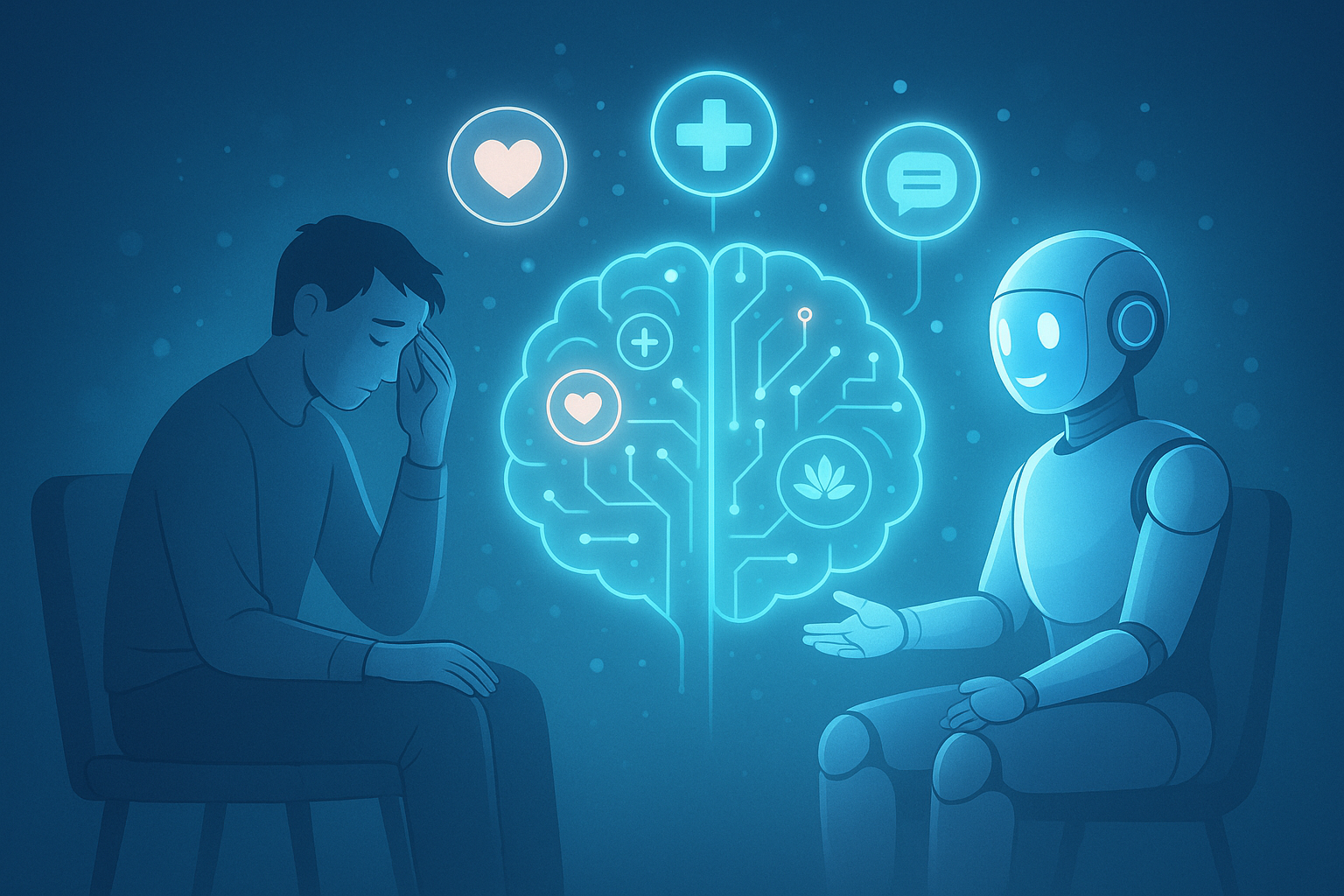
Mental health has never been more important. With rapid advances in artificial intelligence, new tools are changing how we manage stress, anxiety, and emotional wellbeing. AI for mental health offers everything from personalized chatbots to guided meditation, giving you 24/7 support and smarter insights into your emotional health. Here’s how AI can help — plus FitnessGeek’s picks to get you started.
1. Personalized Mental Wellness Apps
AI-powered mental health apps like Woebot, Replika, and Wysa go far beyond static self-help tools. Using advanced natural language processing, they provide real-time conversations, mood tracking, and coping strategies that adapt to your unique emotional patterns. Instead of delivering canned responses, these apps learn from your input over time, making each interaction feel personal, relevant, and supportive.
- Woebot is grounded in evidence-based approaches like cognitive behavioral therapy (CBT). It helps users reframe negative thought patterns, offering practical exercises that can be done in just a few minutes a day.
- Replika acts more like a supportive AI companion, available 24/7 to chat when you’re stressed, lonely, or in need of reflection. Its conversational style makes it especially appealing for those who might feel hesitant about opening up to another person.
- Wysa combines AI coaching with access to licensed therapists (for users who want an extra layer of support). It’s designed to help with anxiety, depression, and stress management through structured conversations and mood-based prompts.
Together, these tools offer something traditional therapy can’t always provide: round-the-clock accessibility, anonymity, and immediate support. While they aren’t substitutes for professional care, they can serve as powerful first-line supports or ongoing companions for stress management and emotional wellness.
FitnessGeek’s Pick: Wysa AI Mental Health App (Premium Subscription) – your AI chatbot coach for anxiety, stress, and guided emotional exercises.
2. 24/7 Virtual Therapy
AI chatbots and integrated telehealth platforms are redefining how therapy is delivered. Instead of waiting weeks for an appointment or traveling long distances, people can now access on-demand mental health support anytime, anywhere.
These platforms combine the accessibility of AI-driven conversation with the expertise of licensed professionals. Chatbots can provide immediate coping strategies, mood check-ins, and daily support, while telehealth integration ensures that users can seamlessly transition to a human therapist when deeper care is needed.
For those living in rural areas, where mental health providers may be scarce, this technology closes the gap. It’s also ideal for individuals who value privacy, flexibility, or nontraditional scheduling — like people balancing shift work, caregiving responsibilities, or simply feeling more comfortable opening up from the safety of home.
By blending AI’s 24/7 availability with professional oversight, these systems create a hybrid model of care that is both scalable and personalized. They don’t replace traditional therapy but instead make it more accessible, affordable, and adaptable to modern lifestyles.
FitnessGeek’s Pick: Echo Show 8 (3rd Gen) – perfect for virtual therapy sessions, guided meditation, and connecting with licensed professionals.
3. Early Detection and Monitoring
AI isn’t just reactive — it’s proactive. By analyzing patterns in your speech, writing, or wearable data, AI systems can detect subtle mood shifts that may indicate rising anxiety or depression before symptoms become overwhelming. For example, a change in voice tone, slower typing speed, or irregular sleep patterns might signal that stress is building.
This kind of continuous monitoring creates a valuable early warning system. Instead of waiting until someone feels too anxious or depressed to seek help, AI can flag changes in real time and suggest interventions such as journaling prompts, guided breathing, or connecting with a professional.
For individuals, this means earlier support and better outcomes. For clinicians, it provides richer context — allowing them to see how a patient’s mood fluctuates between sessions and to tailor treatment more effectively. Over time, this proactive approach can help prevent small challenges from snowballing into full-blown crises.
FitnessGeek’s Pick: Fitbit Sense 2 Advanced Health & Fitness Smartwatch – tracks stress, sleep, and heart rate variability to provide early mental health insights.
4. Guided Meditation and Stress Relief
Apps like Headspace and Calm have become household names in the world of mindfulness, but with the integration of AI, they’re moving far beyond static meditation libraries. Instead of offering the same sessions to every user, these platforms now use AI to adapt practices to your current mood, stress levels, and long-term goals.
For example, if your wearable shows disrupted sleep and elevated resting heart rate, the app might guide you toward a short calming breath session or sleep-focused meditation. On the other hand, if your check-ins reflect high energy and focus, the AI may recommend a longer, more challenging mindfulness exercise or even gratitude journaling to match your mindset.
Over time, these apps create personalized meditation journeys that evolve with you — gently shifting as your needs, stressors, and emotional resilience change. Instead of a “one-size-fits-all” approach, you get a system that feels like a digital meditation coach, learning from your patterns and helping you stay consistent.
FitnessGeek’s Pick: Muse 2: The Brain-Sensing Headband – provides biofeedback for meditation, helping you track calm, focus, and stress reduction.

5. Supporting Clinical Decision-Making
AI tools are transforming mental health care not only for patients but also for clinicians. Psychologists and psychiatrists can now use AI systems to interpret digital health data — from wearables, journaling apps, or even speech analysis — to gain a more complete picture of a patient’s well-being. Instead of relying solely on in-session conversations, providers can track sleep patterns, mood fluctuations, stress markers, and daily habits between appointments. This allows them to create more personalized treatment plans and make adjustments in real time, leading to better outcomes.
For everyday use, AI wellness devices and apps keep individuals actively engaged in their mental health journey. Smart rings, stress-tracking watches, and AI-powered journaling apps serve as daily touchpoints, nudging users to check in with themselves, practice mindfulness, or take breaks before stress snowballs. By blending clinical insights with personal accountability, AI makes mental health support both scalable and practical.
The result is a system where professionals get richer insights, and individuals gain tools that help them stay connected to their wellness goals every day — a partnership that bridges the gap between formal care and daily self-care.
FitnessGeek’s Pick: Dodow Sleep Aid Device – an AI-inspired sleep and relaxation trainer that guides breathing patterns to reduce stress before bed.
Tips for Maximizing AI Mental Health Tools
- Choose GEO-optimized apps: Some platforms connect you with local resources and regionally relevant communities.
- Prioritize privacy: Always review how apps handle sensitive mental health data.
- Add wearables: Smartwatches and sensors that integrate with wellness apps give deeper insights.
- Pair mind + body: Fitness and mental health go hand-in-hand — AI apps that combine exercise with mood tracking deliver powerful results.
Final Thoughts
AI for mental health isn’t about replacing therapists — it’s about empowering you with more support. From personalized wellness apps to stress-tracking wearables, AI can help you manage emotions, build resilience, and feel more in control of your wellbeing.
🧠 Additional FitnessGeek.ai Product Recommendations
2. Peloton Bike + with AI Assist
4. Withings Body Comp Smart Scale
6. BowFlex SelecTech 840 Adjustable Kettleball
7. Amazfit Band 7 Fitness Tracker
8. Hydrow Rower with AI Coaching
9. QardioArm Smart Blood Pressure Monitor
📜 Amazon Affiliate Disclaimer. As an Amazon Associate, we earn from qualifying purchases. This means that whenever you buy a product on Amazon from a link on our website, we get a small percentage of its price. This helps support our work by offsetting a fraction of the costs. Your support enables us to continue providing you with free and valuable content. Please note that this comes at no additional cost to you.