
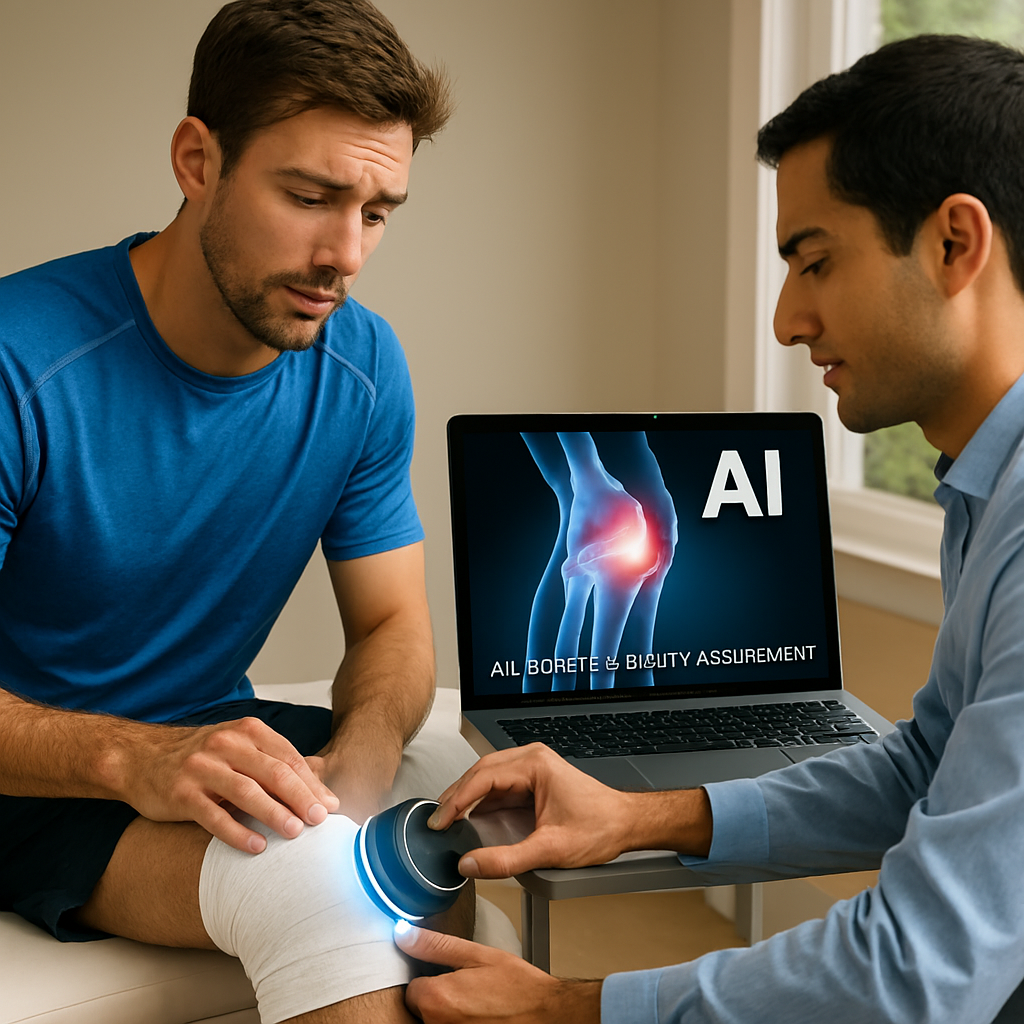
Even the most disciplined athletes — the ones who have their fitness, diet, and sleep dialed in — aren’t invincible. Injuries happen. Sometimes it’s a pulled hamstring in the middle of a sprint, sometimes it’s a torn ligament on the field, and sometimes it’s simply overtraining that leaves the body vulnerable.
Traditionally, recovering from sports injuries has meant weeks (or months) of physical therapy, rest, and the hope that you’re doing enough to heal properly. The challenge? Rehab often feels like guesswork. Are you pushing too hard? Not enough? Are you sleeping well enough to repair tissue? Are you compensating with bad mechanics that might lead to reinjury?
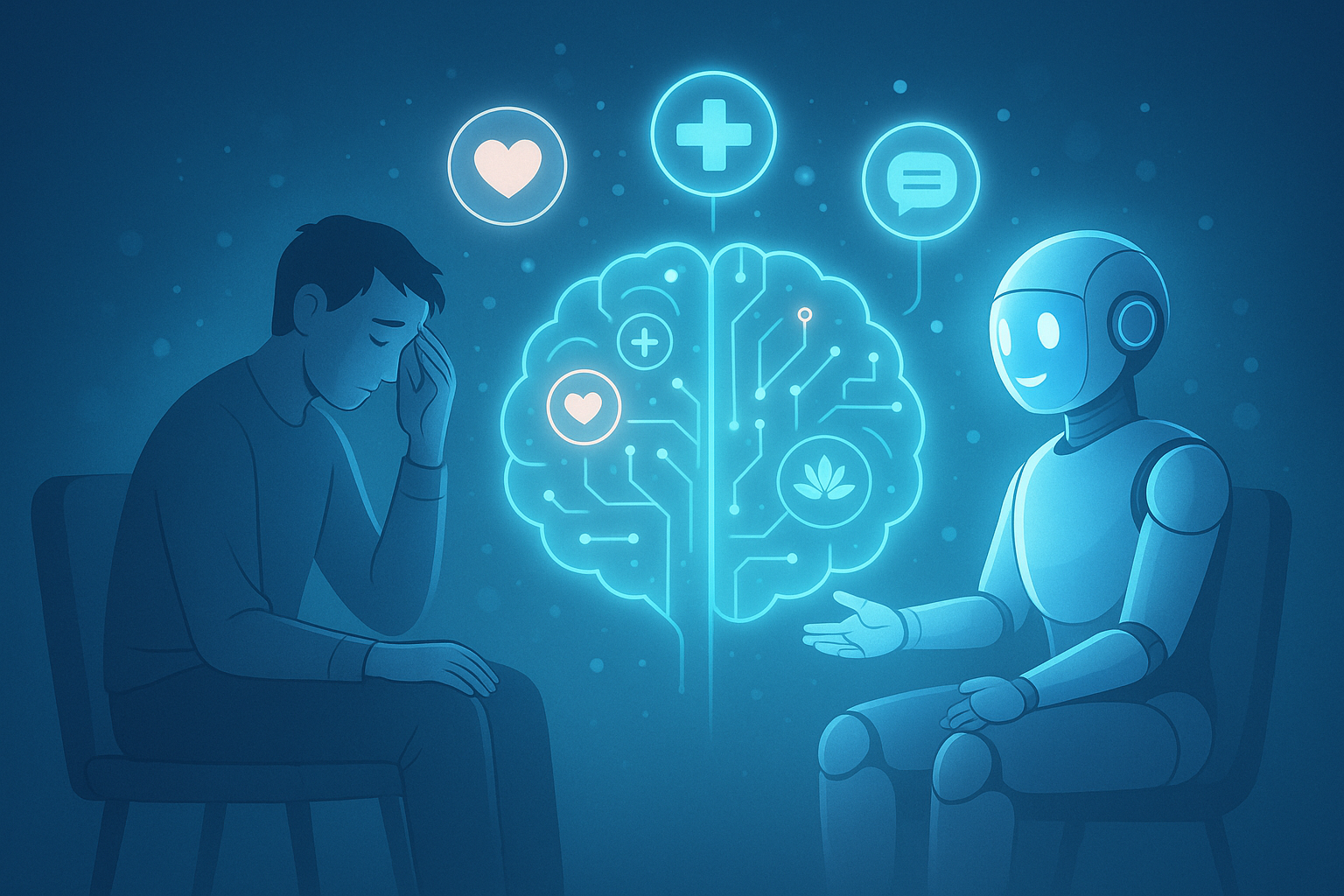
That’s where artificial intelligence (AI) steps in. Instead of relying on generic recovery programs, AI tools analyze real-time data — from muscle contractions to swelling levels to sleep patterns — and adjust treatment plans automatically.
For athletes, this means recovery is no longer just about patience and discipline. It’s about precision rehab: the right exercises, the right intensity, at the right time. AI doesn’t replace your doctor or physical therapist, but it does give them (and you) supercharged feedback loops to heal smarter and faster.
This guide explores the top AI-powered recovery technologies reshaping sports rehab today, from muscle stimulators to posture trainers, compression boots, sleep trackers, and even full rehab apps. Whether you’re coming back from a sprain or rehabbing after surgery, these tools help you get back in the game — stronger, faster, and more confident.
How Muscle Stimulation Works
Electrical muscle stimulation works by sending tiny pulses of electricity through electrodes placed on the skin. These pulses mimic the signals your brain normally sends to muscles, causing them to contract. This process helps:
Maintain muscle activity when you can’t move normally due to pain or injury.
Improve circulation to speed up healing.
Retrain neural pathways, teaching your body to “remember” how to activate injured muscles.
Injuries often cause certain muscles to shut down — for example, after an ACL tear, the quadriceps can become inhibited. EMS helps wake them back up.
1. AI-Powered Muscle Stimulators
One of the first things athletes lose after injury is muscle control — especially if swelling, pain, or nerve disruption is involved. Enter AI-powered electrical muscle stimulation.
These smart stimulators deliver targeted electric pulses to help retrain muscle fibers without needing full movement. AI takes things further by adjusting intensity and frequency based on user feedback or pre-programmed recovery stages.
Why AI Makes It Smarter
Traditional EMS units require manual setting changes — frequency, pulse width, intensity. But recovery isn’t static. What works on day one may be ineffective by week two.
🔧 Recommended Product: Belifu Dual Channel TENS EMS Unit
This device is compact, easy to use, and perfect for muscle recovery. Athletes can use it for both pain relief and neuromuscular re-education. AI-enabled presets make setup simple and safe.
2. AI Compression Recovery Systems
Swollen joints are the enemy of rehab. Targeted compression helps squeeze out excess fluid and bring in nutrient-rich blood. Now, AI is bringing intelligence to this process too.
New systems use sensors to measure pressure in real time, customizing inflation/deflation cycles based on muscle fatigue or swelling levels. This reduces the risk of overdoing it and speeds recovery.
How It Works
Dynamic pressure cycles mimic massage.
Lymphatic drainage clears toxins.
Circulation boost accelerates nutrient delivery.
The AI Advantage
Smart compression boots now use sensors to monitor swelling and tissue resistance. They adapt cycles in real-time, ensuring you never over-compress or under-recover.
Example: Marathon Runner with Shin Splints
Without compression: recovery after long runs takes 48–72 hours.
With AI compression boots: reduced swelling in hours, allowing safe cross-training the next day.
💨 Recommended Product: Air Compression Recovery System
These boots are athlete-approved. They mimic massage by compressing in waves, improving circulation and speeding up recovery between sessions. Great for post-run, post-lift, or post-PT.
3. AI Coaching & Biomechanical Feedback
Traditional rehab is based on what should work. AI-powered movement analysis tells you what is working — for your unique body.
Using motion capture and real-time feedback, AI coaching platforms now track joint angles, muscle engagement, and recovery timelines. They alert athletes to compensatory movements or poor mechanics that could delay healing or cause reinjury.
Athletes using AI tools can spot trouble early and course-correct with laser precision.
How AI Coaching Works
Using motion capture, sensors, and algorithms, AI platforms analyze:
Joint angles.
Muscle engagement.
Posture deviations.
They provide real-time corrections, helping athletes move safely.
Example: Basketball Player Rehabbing ACL
AI analysis spots that the athlete is favoring their good leg during squats. The system alerts them, preventing long-term imbalance.
🧠 Smart Tools to Explore:
- Upright GO 2 Posture Trainer – Helps build posture awareness during rehab.
- Rokform G-ROK Portable Speaker – Train with tunes and stay motivated in long solo rehab sessions.
4. AI Apps That Guide Rehab
There’s now an app for nearly every injury. Whether it’s a torn hamstring, sprained ankle, or rotator cuff strain — AI apps can guide athletes through safe routines and let them log pain, flexibility, and fatigue over time.
Better yet, these apps get smarter the more you use them. Some integrate with smartwatches or wearables to adjust the day’s workout plan based on recovery metrics like HRV or sleep quality.
📱 Recommended Apps:
- Kaia Health – AI-powered PT for back pain.
- Hinge Health – Offers motion-tracking recovery plans with real coaches behind the scenes.
- RecoveryOne – Helps track pain and mobility goals with adaptive routines.
5. Data-Driven Sleep & Recovery Tools
If you’re not sleeping, you’re not healing. AI is revolutionizing sleep tracking, too. Devices now detect micro-movements, heart rate variability, and breathing quality to give an accurate read on your body’s recovery state.
Some even recommend when to train or rest, helping injured athletes avoid setbacks.
💤 Recommended Product: Oura Ring Gen4
This ring tracks everything from sleep stages to temperature deviations — giving athletes a crystal-clear picture of whether they’re ready for another workout or need to chill.
Final Thoughts
AI isn’t replacing doctors, trainers, or physical therapists — but it is making them smarter. Whether you’re recovering from a pulled muscle or a major surgery, these tools give you feedback, structure, and smart adjustments every step of the way.
So if you’re serious about healing smarter and getting back in the game faster, let AI assist. Use the tech, stay consistent, and keep pushing forward.
FAQs & Pro Tips
Can AI replace a physical therapist?
No. AI is a complement, not a replacement. It provides data and guidance, but human expertise is still critical.
Are these devices safe?
Yes, when used correctly. Always follow product instructions and consult a professional.
Which tool should I buy first?
If swelling is your issue, start with compression boots. If muscle weakness dominates, go with an EMS unit.
Do casual athletes benefit too?
Absolutely. Weekend warriors recover faster and stay consistent with training using these tools.
⸻
Amazon Affiliate Disclaimer
As an Amazon Associate, I earn from qualifying purchases. This means that if you click on a link and make a purchase, I may earn a small commission at no extra cost to you.