

Finding cheap flights in 2025 isn’t just about refreshing Google Flights or hunting through Expedia. The real savings live in the gaps — the odd routes, flexible fare classes, multi-leg connections, and discount codes most travelers overlook.
That’s where AI travel prompts come in. I’ve used them and they work. It just takes a little practice and finesse.
With tools like ChatGPT, Claude, Gemini, and even specialized travel bots, the right request can surface hidden deals in ways regular search engines never will. Instead of spending hours testing dates and airlines, you can prompt AI to scan flex windows, dig for regional carriers, and even draft negotiation scripts that get you upgrades.
Below, we’ll explore 7 AI prompts that save money, reduce stress, and unlock flights you never thought possible. Each comes with real-world hacks, tested strategies, and smart gear recommendations to keep you ahead of the crowd.
1. Deep Fare Finder
AI Prompt to Try:
“List the cheapest flights from [City A] to [City B] in the next [X] weeks.”
Requirements:
- Include budget and regional carriers, plus lesser-known airlines (examples: Breeze, Avelo, Allegiant, Sun Country, PLAY, French bee, Norse Atlantic, LEVEL, Viva Aerobus, Volaris, Flair, Lynx).
- Check nearby airports for both the origin and destination, and list which alternates you looked at.
- Include split tickets and self-transfer combos when the total price is lower (but flag them as higher risk).
- Present results in a clear table with columns for: Airline, Route (airport codes), Dates, Stops, Total Price (USD), Carry-On Included?, Estimated Checked-Bag Cost, Booking Source/Link, and Notes.
- Add a short summary of patterns (like cheapest days to fly, red-eye vs. daytime, or which alternate airports were best).
- Exclude “basic economy” fares if they prohibit a standard carry-on. If you include them, clearly label.
Why This Works
- Use incognito mode when searching fares to reduce price creep from cookies.
- Search from nearby airports — flying out of Providence instead of Boston, or Newark instead of JFK, can cut prices in half.
- Cross-check AI’s results against apps like Hopper or Skyscanner to confirm accuracy before booking.
Extra Hacks
- Use incognito mode when searching fares to reduce price creep from cookies.
- Search from nearby airports — flying out of Providence instead of Boston, or Newark instead of JFK, can cut prices in half.
- Cross-check AI’s results against apps like Hopper or Skyscanner to confirm accuracy before booking.
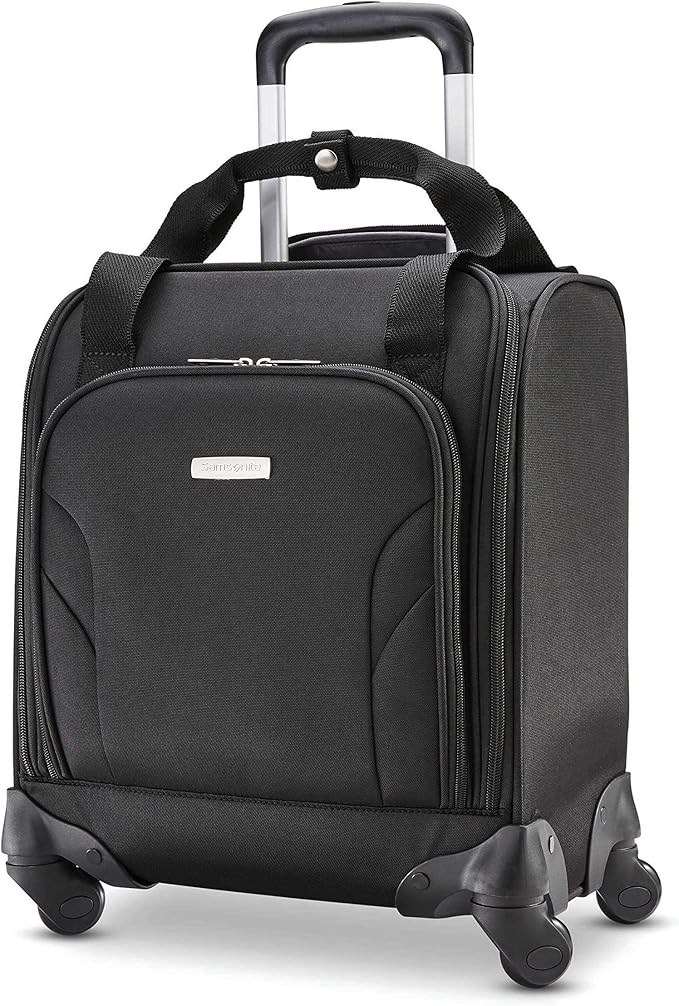
Pro Tip: Keep a carry-on bag to avoid luggage fees. My go-to? The Samsonite Underseat Spinner — compact, fits overhead, and rolls like a dream.
2. Layover Hack Builder
AI Prompt to Try
“Suggest cheaper multi-leg flight paths to get from [City A] to [City B] under [$X], with total flight time under [X] hours.”
Why It Works
Layovers often cut flight costs by 30–50%, but only if you know which hubs to target. AI can scan routes and find secondary airports (like Lisbon instead of Paris, or Charlotte instead of Atlanta) that drop prices by hundreds of dollars.
Example: a nonstop NYC → Tokyo might be $1,200. But an itinerary like NYC → Dallas → Tokyo could come in at $750 — nearly half the cost, with a manageable layover. AI can surface these hidden combinations faster than digging through Google Flights manually.
Extra Hacks
- Try hidden-city ticketing: For instance, booking NYC → LA → Hawaii but exiting in LA. This can be much cheaper, but airlines dislike it, so avoid checking bags.
- Book multi-leg trips as one ticket whenever possible — that way, you’re protected if a flight gets delayed or canceled.
- Check nearby hubs: Sometimes driving or taking a train to a smaller airport unlocks much cheaper routing options.
- Mix carriers: AI can spot when flying a budget airline for one leg plus a major airline for another creates the lowest overall fare.
Must Have: Airplane Pocket Organizer

3. Flex Date Price Scan
AI Prompt to Try
“Find the cheapest flights from [City A] to [City B] in the next [X] weeks. Scan across all days of the week and highlight the cheapest departure and return combinations. List results in a table with: Airline, Dates, Airports, Price, Carry-On Included?, and Booking Source. Include budget and regional airlines, not just the major carriers.”
Why It Works
Shifting your travel dates by even 48 hours can save you hundreds of dollars. Instead of manually plugging in dates one by one, AI can scan across entire ranges in seconds. It quickly identifies the “sweet spots” — like flying out on a Tuesday instead of a Friday, or returning on a Monday instead of a Sunday — when demand is lower and fares drop.
In 2025, airlines operate like dynamic pricing machines, adjusting fares minute by minute based on demand, competition, and booking trends. Without tech, keeping up feels impossible. AI solves this by narrowing your search window, helping you strike exactly when fares dip.
Extra Hacks
- Use AI with price alerts: For example, ask “Notify me when flights from Boston to Rome drop below $400.” You’ll get an instant heads-up instead of refreshing apps daily.
- Pair flex-date prompts with regional airports: Expanding both the when and the where doubles your chances of scoring a bargain. For instance, try Providence instead of Boston, or Milan instead of Rome.
- Look for shoulder season windows: AI can highlight weeks just before or after peak tourist season, when weather is still great but fares are much lower.
4. Promo Stack Prompt
AI Prompt to Try
“Search for valid promo codes, discount offers, or student/senior fares for flights on [Airline Name]. Prioritize active and stackable deals.”
Why It Works
Airlines rarely showcase their best discounts upfront. Many promos are tucked away in email newsletters, credit card reward portals, or loyalty program fine print. AI can comb through these scattered sources, bringing together active, usable, and sometimes stackable offers that you’d otherwise miss.
Stacking discounts is where the real magic happens. For example:
- A student discount knocks 10% off the base fare.
- Booking through a credit card portal earns a cashback rebate.
- Adding a promo code trims another $50.
That’s three layers of savings on the same ticket, which can turn a $600 flight into $450 without sacrificing convenience.
Extra Hacks
- Check loyalty tiers: Some airlines quietly offer extra discounts or waived fees for members — even at the lowest status levels.
- Use AI to monitor expiration dates: Promo codes often vanish quickly; setting AI to track “expiring this week” deals keeps you ahead of the curve.
- Test different passenger types: Seniors, students, military, and even teachers sometimes qualify for exclusive fares.
- Combine portals + promos: Sites like Chase Travel or Amex Travel occasionally allow promo stacking with credit card rewards.
Travel Hack: A compact luggage scale saves you from overweight baggage fees.
5. Fee Dodger Prompt
AI Prompt to Try:
“Break down hidden fees for baggage, seat selection, and other extras for [airline]. Suggest ways to reduce or legally avoid them.”
Why It Works
Low-cost airlines thrive on “gotcha” fees — charging for carry-ons, printing boarding passes, or even water. AI can create a full breakdown so you know what you’re up against before booking.
For instance, Spirit might show a $99 fare, but once you add bags and seat selection, it’s $210. AI helps you avoid traps by:
- Suggesting airlines where bags are included.
- Highlighting credit cards that waive fees.
- Recommending hacks like packing into a “personal item” backpack.
6. Refund Policy Analyzer
Prompt:
“Compare refund and change policies for these flight options. Highlight which ones offer max flexibility at low risk.”
Why It Works
Life happens. Flights change. But not all tickets are equal. Some “basic economy” fares are non-refundable nightmares, while others allow free changes with a small fare difference. AI compares refund rules side by side, so you don’t get burned.
Extra Hacks
- Ask AI to “rank by cancellation flexibility” before booking.
- Use refundable fares strategically: book early, lock in price, cancel later if needed.
- AI can also compare travel insurance options and highlight loopholes.
7. Upgrade/Negotiation Script
Prompt:
“Write an email or call script to request a price adjustment, travel voucher, or seat upgrade due to [flight change / loyalty / delay].”
Why It Works
Airlines bank on travelers not asking for perks. But if you’re delayed, bumped, or loyal, you often qualify for compensation — you just need the right words. AI crafts polite but persuasive scripts that boost your chances.
For example:
- A 3-hour delay? AI can draft a script requesting a voucher.
- A loyal customer? AI can script an upgrade request citing your history.
- A sudden fare drop? AI can write a message requesting a price match credit.
Extra Hacks
- Ask AI to generate “tiered” scripts (polite → firm → legal).
- Use ChatGPT to simulate the phone call before you make it.
Disclaimer: As an Amazon Associate, FitnessGeek.ai earns from qualifying purchases. This means we may earn a small commission when you buy through links on this page — at no extra cost to you. Thank you for supporting our content!
Read More @ FitnessGeek.ai
My 12 Month Peloton App Review; Using the App with My Peloton Alternative
AI for Mental Health: How Artificial Intelligence is Transforming Care & Support
AI-Powered Mindfulness: 5 Smart Tools to Boost Mental Health and Fitness
How AI Can Help College Students Stay Fit and Mentally Strong
AI for Mental Health: Smarter Tools for Stress, Anxiety & Emotional Wellbeing