
Yes, you can build muscle after 50! Learn how AI-powered workout apps, smart gyms, and nutrition tools help older adults train smarter, prevent injury, and see lasting results.
Why Muscle Matters More Than Ever After 50
As we age, our bodies naturally lose muscle mass through a process called sarcopenia — typically 3–8% every decade after 30. Left unchecked, this can cause weakness, balance issues, slower metabolism, and stubborn weight gain. It’s one of the key reasons why so many people over 50 feel like their bodies are “slowing down.”
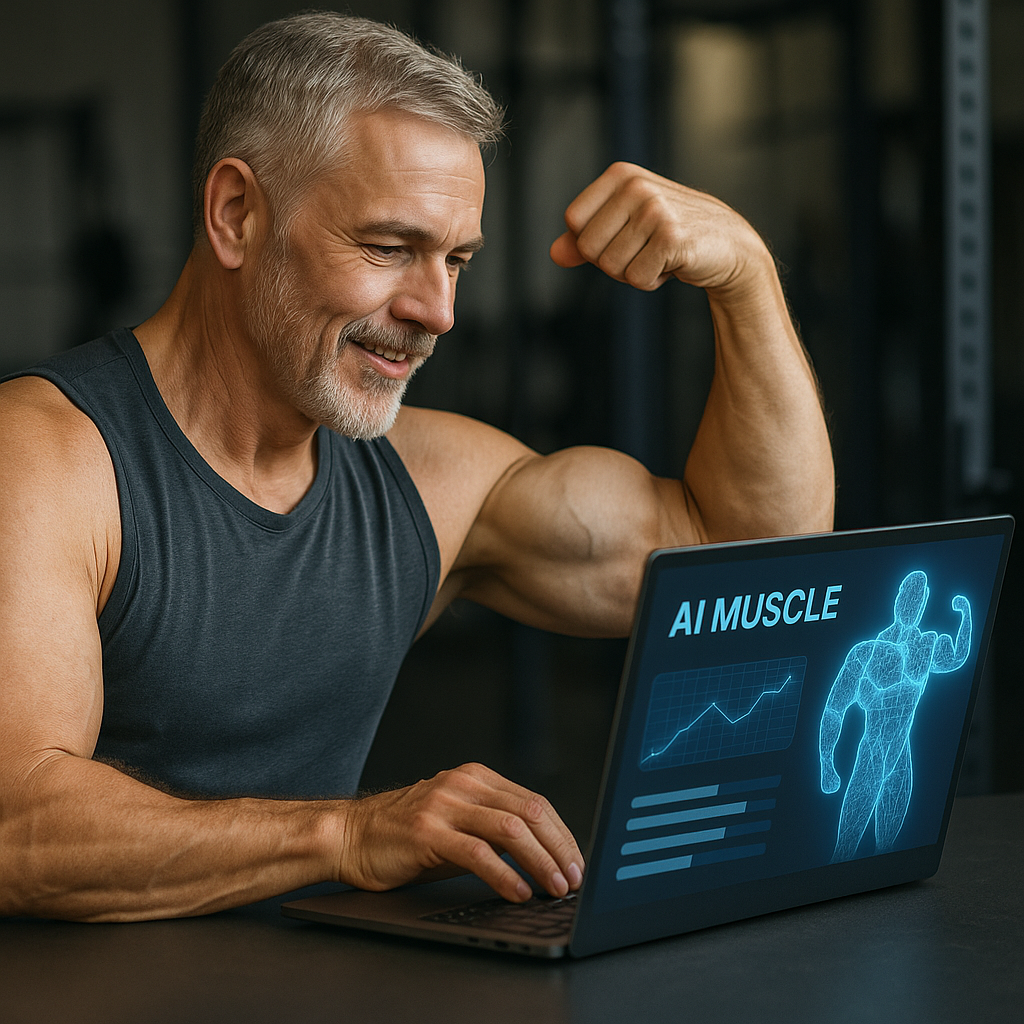
But here’s the great news: with the right combination of strength training, recovery, and protein-rich nutrition, you can stop the decline — and even rebuild muscle. And thanks to artificial intelligence, you no longer need to guess what workouts to do, how much to lift, or when to recover. AI has become the ultimate workout partner, making muscle-building after 50 more achievable than ever.
💡 How AI Helps You Build Muscle Smarter
1. Personalized Workout Plans
Generic one-size-fits-all routines are outdated. AI-powered apps like Tempo and Dr. Muscle adapt to your exact fitness level, age, and progress. These tools can increase your weights gradually, recommend new exercises when you plateau, and adjust reps based on how you perform.
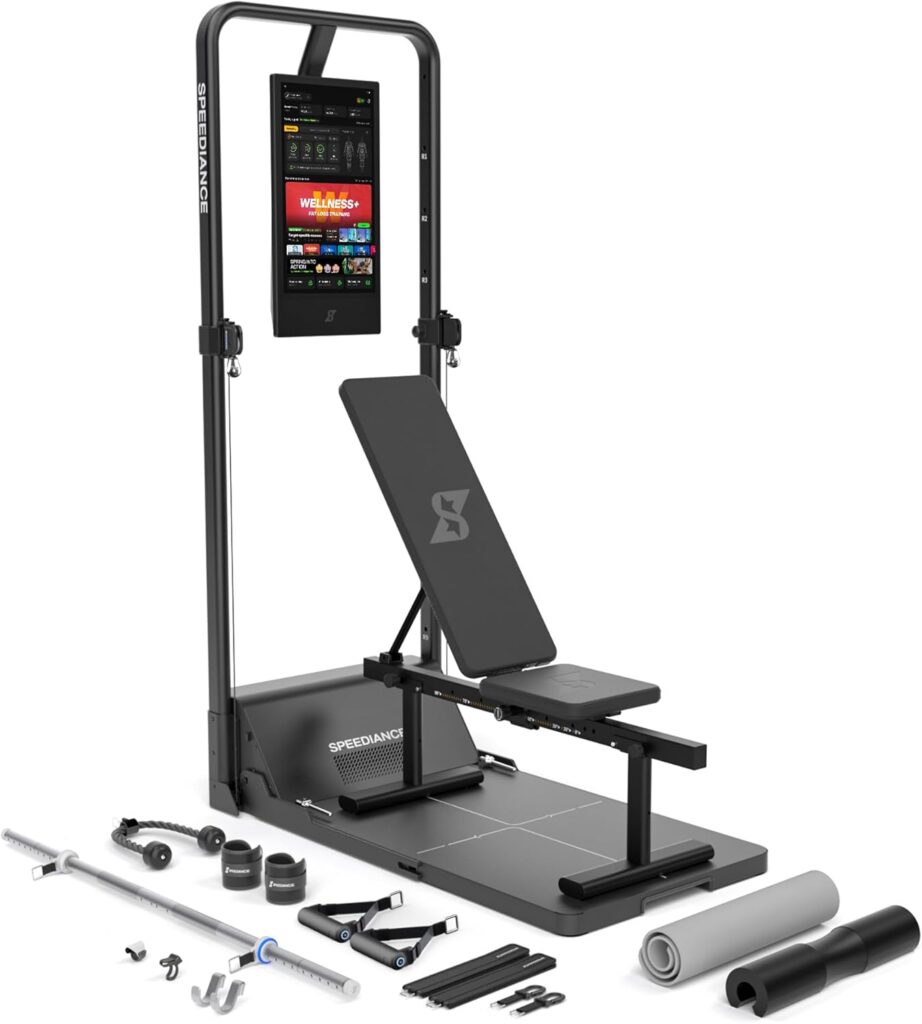
For anyone looking to build a complete home gym without clutter, the Gym Monster AI-Powered Smith Machine is worth a serious look. This all-in-one digital weight system combines traditional strength equipment with modern AI technology, allowing it to adapt automatically to your training needs. Whether you’re a beginner learning safe form or an advanced lifter chasing progressive overload, the machine adjusts resistance, tracks your progress, and even suggests workout modifications in real time. It’s like having a personal trainer and a full rack of equipment built into one compact system.
Key Features:
- Adaptive Resistance: AI automatically adjusts weight based on your strength and performance.
- Form Feedback: Sensors track movement patterns to help prevent injury.
- Space-Saving Design: Replaces multiple machines and dumbbell racks with one sleek unit.
- Workout Tracking: Logs sets, reps, and progress directly into your connected fitness app.
- Versatile Training: Supports squats, presses, pulls, and accessory movements in a single station.
2. Better Form, Less Risk
At 50 and beyond, avoiding injury is just as important as getting stronger. One wrong move or repeated bad form can lead to setbacks that take weeks — sometimes months — to recover from. That’s where AI-powered fitness mirrors and training apps come in. Using built-in cameras, motion sensors, and real-time analytics, these tools act like a personal trainer in your living room, giving you instant feedback on your form and posture.
Instead of guessing whether your squat is deep enough or if your shoulders are in the right position during a press, the AI analyzes your movements frame by frame. It can alert you when your knees cave in, when your back starts to round, or when your range of motion is limited, helping you fix problems before they turn into injuries. For adults over 50, this guidance is especially valuable — it means you can train confidently, knowing your body is being protected while you build strength.
👉 The AISUNDY Smart Fitness Mirror lets you cast workout videos from your phone and see your form side-by-side with the instructor — no subscription required.
3. Smart Nutrition Coaching
Muscle isn’t just built under the barbell — it’s built in the kitchen. No matter how effective your workouts are, without the right nutrition your results will stall. This becomes even more important as you age, since the body’s natural ability to synthesize protein decreases over time. That means you’ll need to be more intentional about hitting protein targets and balancing your macros to support recovery and growth.
This is where AI-powered nutrition apps step in. Tools like MyFitnessPal go beyond simple calorie counting. They learn your habits, analyze your activity levels, and then recommend personalized macro goals based on your age, weight, and fitness objectives. For adults over 50, this often means nudging protein intake higher while keeping carbs and fats balanced for sustained energy.
But AI nutrition coaching doesn’t stop at numbers. These apps can:
- Suggest meal and recipe ideas tailored to your macro needs.
- Generate grocery lists so healthy shopping is automatic.
- Flag nutrient deficiencies and even guide you toward science-backed supplements that support joint health, recovery, and muscle repair — without falling for hype.
- Adjust recommendations in real time based on your logged activity, sleep, or progress toward goals.
Whether your goal is lean muscle gain, fat loss, or body recomposition, AI nutrition tools take the guesswork out of eating. Instead of wondering if you’re fueling correctly, you’ll have a data-driven plan designed to work with your training and recovery.
4. Recovery Built In
Overtraining is one of the most common mistakes adults make when getting back into fitness. The enthusiasm to “make up for lost time” often leads to pushing too hard, too soon — resulting in nagging injuries, fatigue, or complete burnout. This is where AI-powered recovery tools make all the difference.
Wearables like the Apple Watch continuously monitor your sleep quality, heart rate variability (HRV), stress levels, and overall recovery. By analyzing this data, AI can detect when your body is under strain, even before you feel it. Instead of forcing another heavy workout, these systems can nudge you toward active recovery, suggesting mobility drills, stretching, or even prioritizing more sleep.
This guidance acts like having a personal trainer who knows when to push and when to hit pause. For adults over 50 especially, that balance is critical: it means fewer injuries, faster recovery between sessions, and more consistent long-term progress. In other words, AI keeps your training sustainable — allowing you to keep improving without burning out.
Pro Tip: Syncing your wearable data with an AI fitness app can give you personalized recommendations each morning, helping you decide if today should be a high-intensity training day or a recovery-focused one.

5. Progress You Can See
There’s nothing more motivating than seeing your progress in black and white. When you’re training consistently, it can be hard to notice small changes day to day — but that’s exactly where AI-powered dashboards shine. These systems automatically track your strength increases, body composition shifts, and weekly milestones, turning raw data into visuals that keep you inspired.
Instead of wondering if your workouts are paying off, you’ll have graphs, charts, and trend lines that show steady progress over time. It’s not just about how much weight you lifted this week versus last — AI makes the invisible visible by tracking things like improved recovery, greater endurance, or more consistent sleep patterns. Even subtle gains become clear when you can literally see the upward trend.
For adults over 50, this feedback loop is especially powerful. Progress may feel slower than in your 20s, but with AI dashboards, you’ll have tangible proof that every rep, every meal, and every recovery session is moving you in the right direction. That visibility keeps motivation high and helps prevent the “I’m not improving” mindset that causes so many people to quit.
The Bottom Line
Yes — you can build muscle after 50, and AI makes it easier than ever. With personalized workouts, form correction, smarter nutrition, built-in recovery, and progress tracking, technology takes the guesswork out of training. The result? A stronger, healthier, more confident version of yourself.
Whether you start small with an app or invest in a full AI-powered gym setup, the key is to take the first step. Your future self will thank you.
Disclaimer: As an Amazon Associate, FitnessGeek.ai earns from qualifying purchases. This means we may earn a small commission when you buy through links on this page — at no extra cost to you. Thank you for supporting our content!
Read More @ FitnessGeek.ai
- My 12 Month Peloton App Review; Using the App with My Peloton Alternative
- AI for Mental Health: How Artificial Intelligence is Transforming Care & Support
- AI-Powered Mindfulness: 5 Smart Tools to Boost Mental Health and Fitness
- How AI Can Help College Students Stay Fit and Mentally Strong
- AI for Mental Health: Smarter Tools for Stress, Anxiety & Emotional Wellbeing